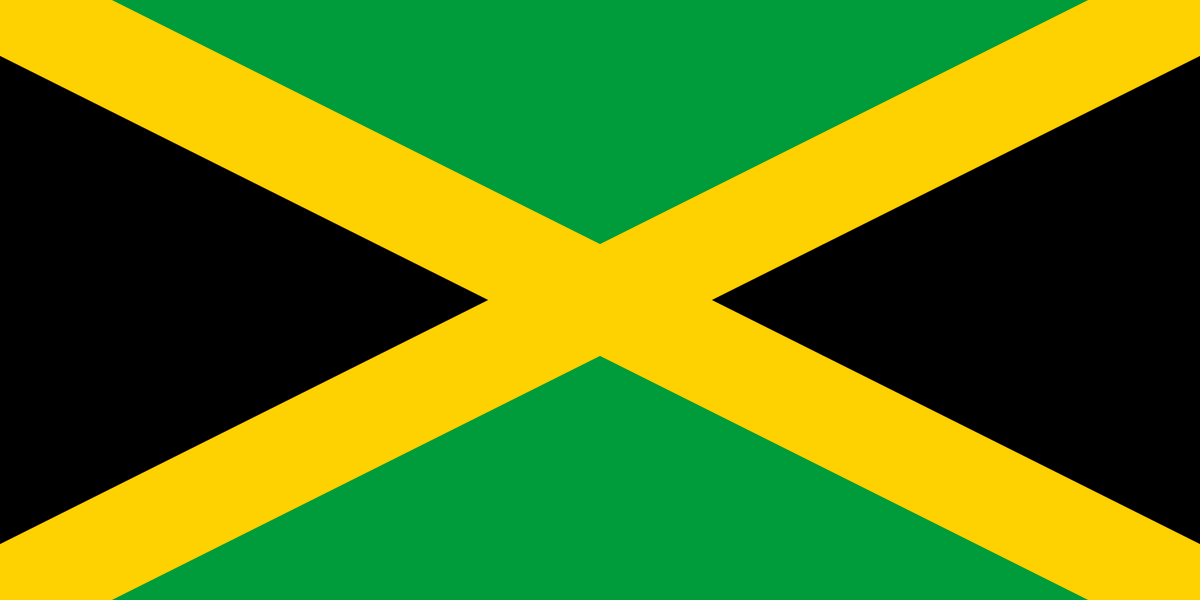
Jamaican cuisine includes a mixture of cooking techniques, flavours, spices and influences from the indigenous people on the island of Jamaica, Africa and the Spanish, Indian, British and Chinese who have inhabited the island. blends from other countries to create new dishes or create local dishes. Thanks to the climate in Jamaica there are many fruits and (mangoes, bananas, ackee …)
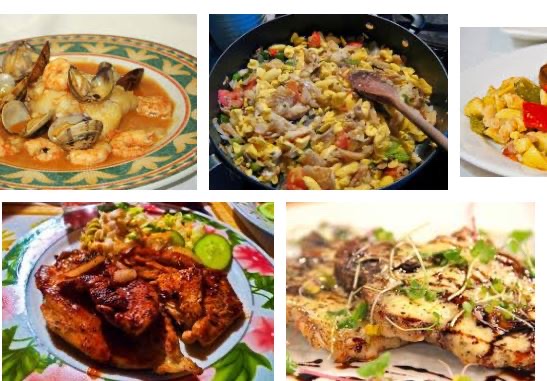
TYPICAL DISHES:
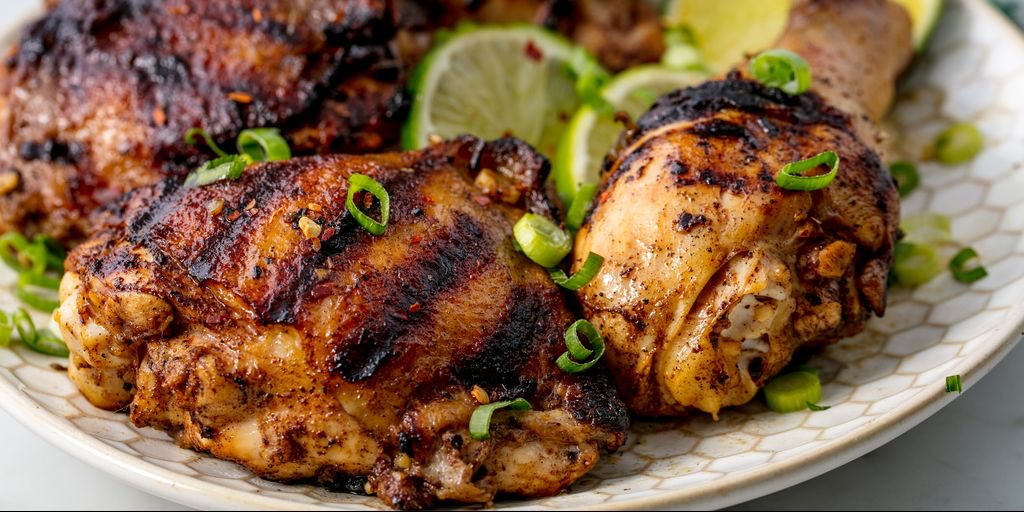
Chicken Jerk: Although is not recognized as Jamaica’s national dish, chicken jerk is present throughout the island. Behind this aroma, which soon becomes unmistakable, is the techinque of smoking meat typical of the Arawak Indians and then marinating it with the characteristic jerk sauce. The keyto its flavour is precisely in this sauce, which combines a multitude of spices such as thyme, nutmeg, all spice and Scotch Bonnet chillies.
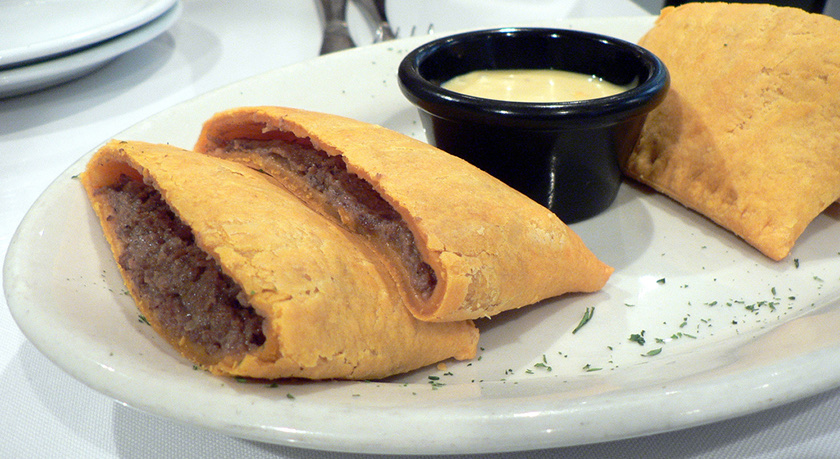
Jamaican Patties: In Spain, we know them as empanadillas. In Jamaica they are called patties and can be served as a side dish as well as a main dish. Its intense yellow colour is due to the ground turmeric added to the dough. And inside it there is room for all kinds of curries, meat or stewed vegetables, but of course, super-spicy. The most common are pasties filled with minced beef and vegetables. And for vegetarians, the sunshine patties are easy to find, with pumpkin instead of meat.
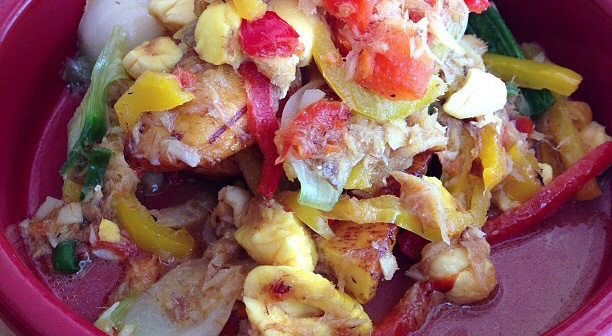
Ackee and saltfish: It’s the national food of Jamaica. The ackee or aki is a fruit of African origin that was brought to the Caribbean at the end of the 18th century. It is very poisonous when it is green, but once matured its meat is essential in this dish. Despite being a fruit, its characteristic taste is not particularly sweet. Ackee and saltfish is a stir-fry of vegetables, spices and desalted cod, simple at first sight, more elaborate in its preparation and complex for the palate.
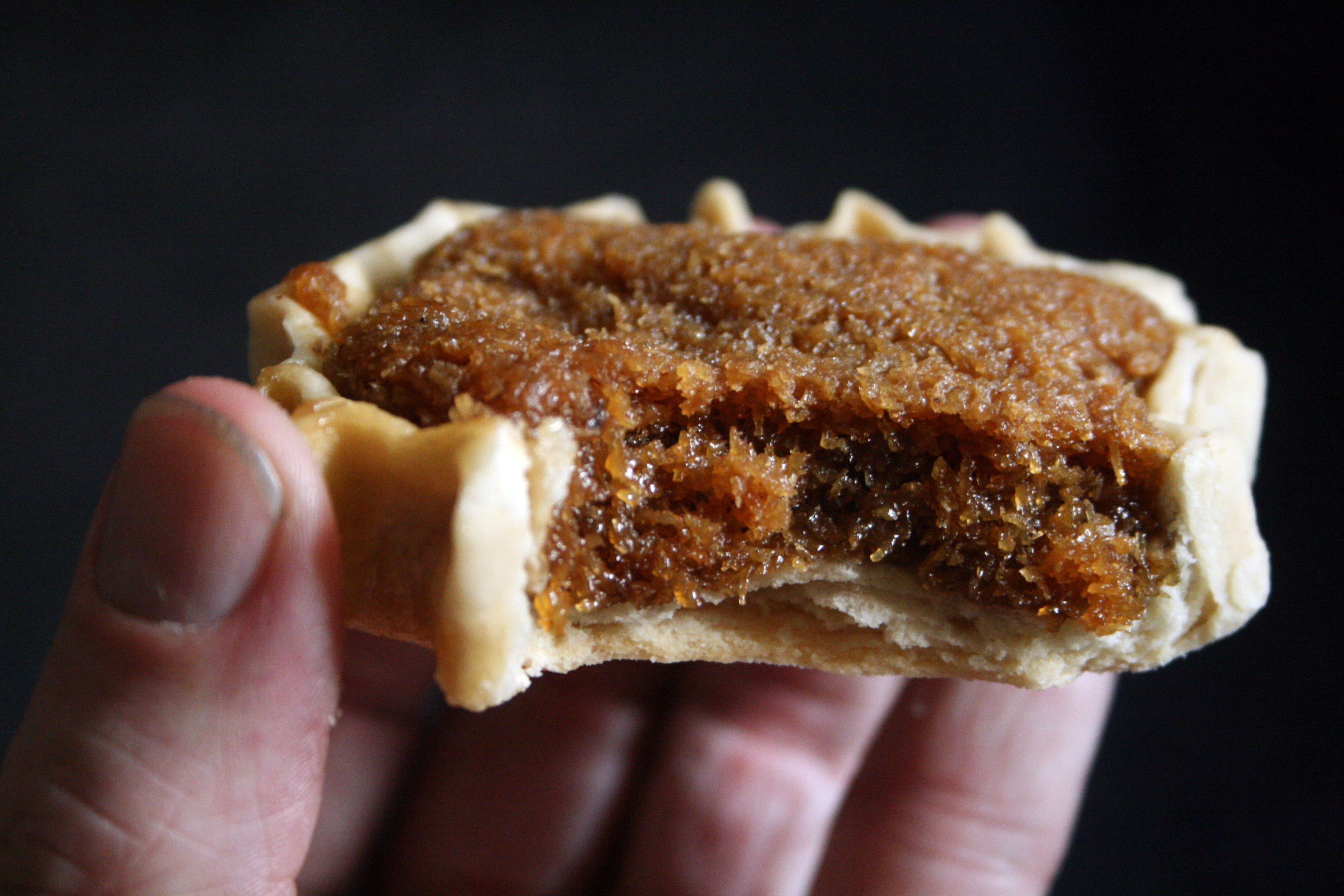
Gizzada and toto:
Are Jamaican coconut desserts. It’s a sweet dessert made with coconut. Gizzadas are tartlets filled with a dough of coconut, nutmeg and sugar. It is of Portuguese origin and very common in the Caribbean. Toto is a mixture of sponge cake and sweet bread, with grated coconut among its ingredients.
Jamaica’s climate favors the harvest of fruits that are a delicacy, whether eaten as a dessert or as juice. Of these, the papaya is spectacular and serves as a base for another Jamaican appetizer: papaya chutney, made with papaya, mango, ginger, vinegar and hot pepper, and marinated in tamarind juice.
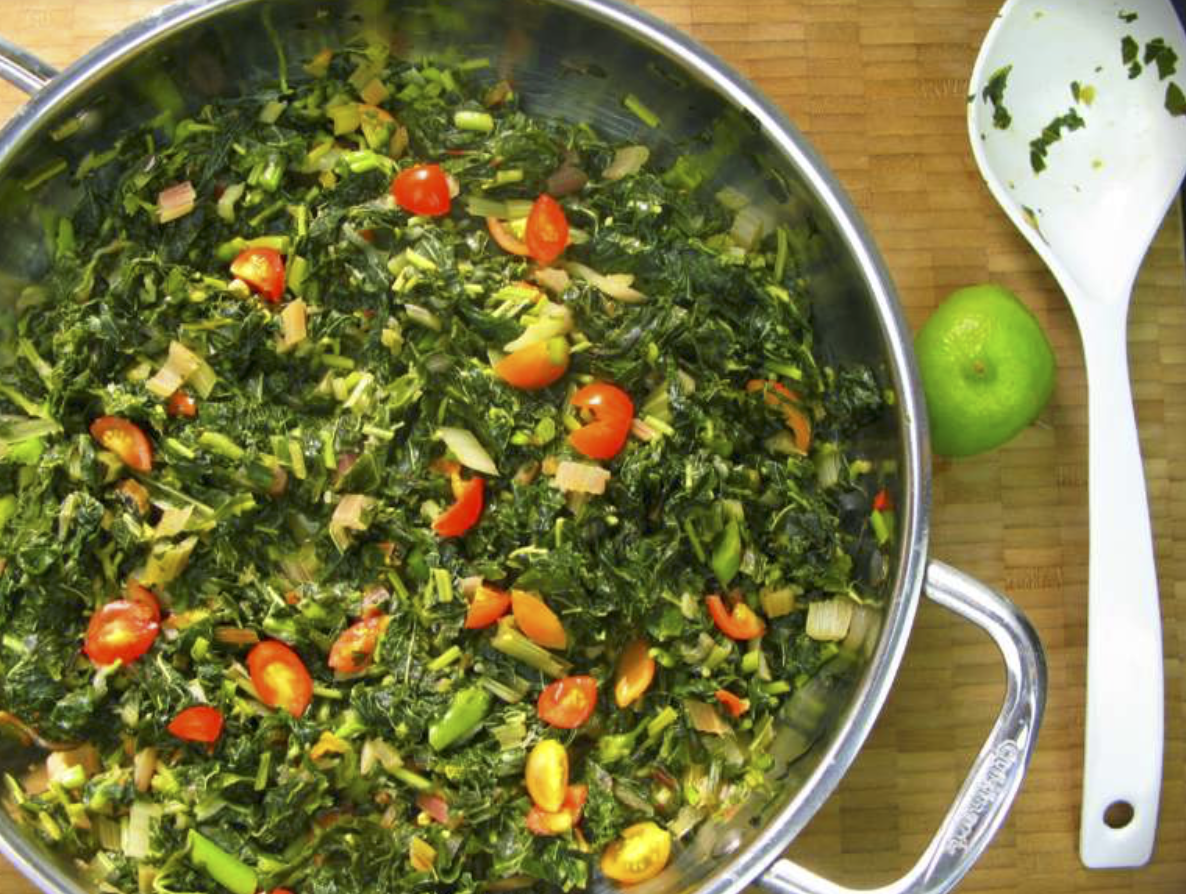
Callaloo, an essential ingredient in Jamaica:
Callaloo are the green leaves of the amaranth plant, a seed considered superfood, like quinoa or chia. These leaves are more consistent than spinach and are sautéed with garlic and onion. They are served in a bowl with carbohydrates, such as fried green banana, frutipan (bread fruit) or johnny cakes, some dumplings in Jamaican version (sweet balls of fried dough).
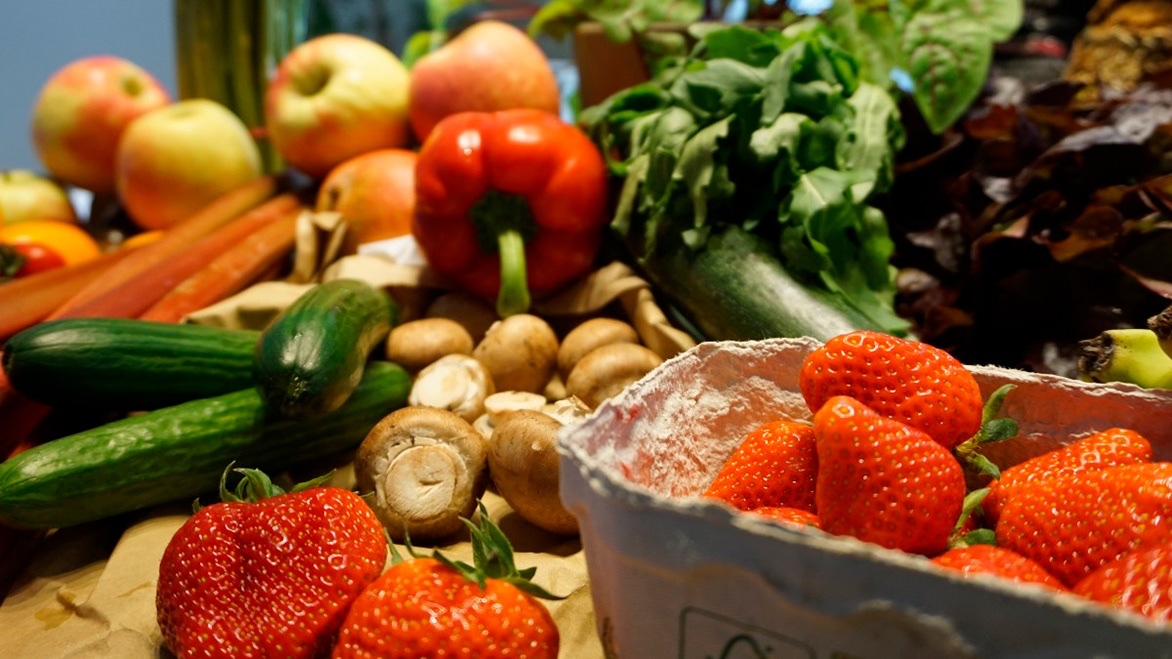
LOCAL FOOD:
Buying from local producers suppots the sustainable development of their land and business:
- With a dignified income local producers will remain and use their resources generating wealth and employment for their community.
They are more natural:
- Products made in your region or traditionally harvested near your location have fewer products to preserve and additives.
The products are fresher:
- A fresh product will always be healthier for the body than a product that requires preservatives, freezing or stabilizers to extend its period of consumption.
Consumption in this way reduces emissions of pollutant gases:
- Means of transporting products from distant places cause high emissions of CO2
 Mike and Baci